
Organic Coconut Flour

Coconut Products

Description

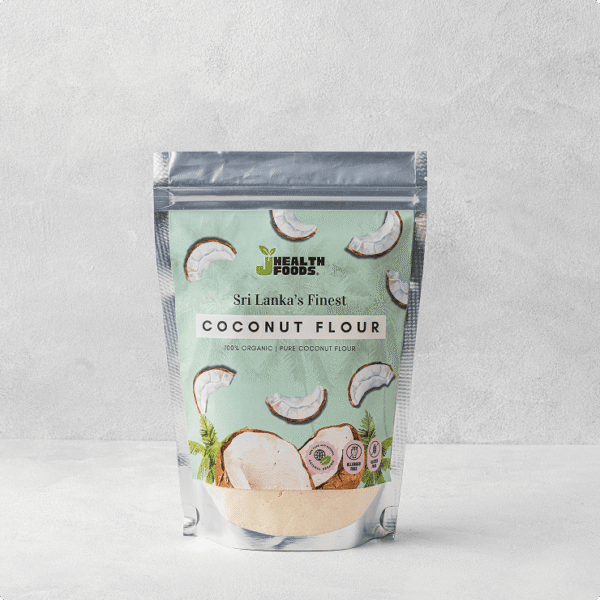
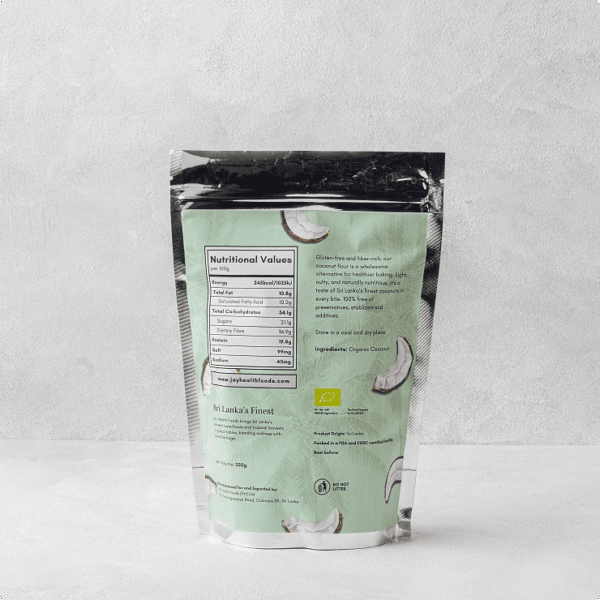
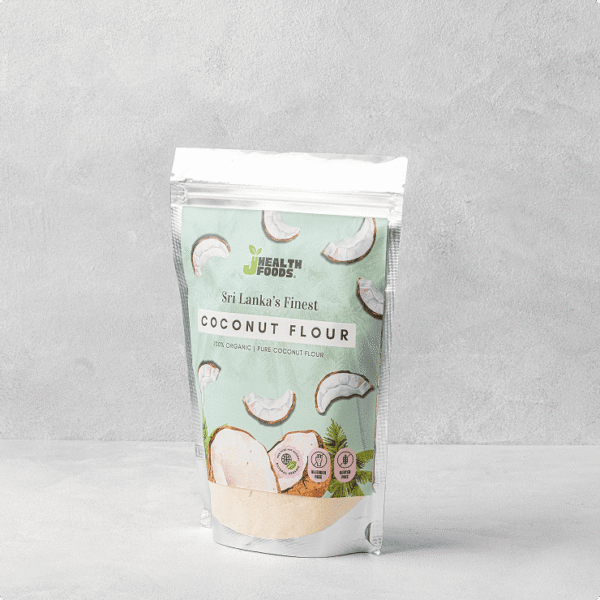
Our Coconut Flour is made from using the solid material left after extraction of oil from the dried mature coconut meat (kernel). It’s a soft nourishing flour, free of gluten and high in protein and fibre. Its a healthier alternative to wheat and grain flours.

As it’s a low carb, gluten free product, it is suitable for consumption by individuals with gluten sensitivities, celiac disease or for anyone looking to maintain a balanced diet. It is fibre and protein rich while also ranking low on the Glycemic Index.

100% organic, natural and minimally processed

Free from Preservatives, Additives, Fillers and Stabilisers

Vegan, Gluten-free

Our Coconut Flour is processed in production facilities that meet the highest international standards, adhering to stringent global hygiene, safety, and quality protocols, reflecting Sri Lanka’s globally recognised excellence in high-quality manufacturing.

Product Specifications Product Specifications

Colour: Off-white to light cream
Texture: Fine Powdery Texture
Taste: Mild, naturally sweet coconut flavour

Country of Origin Country of Origin

Carefully harvested and meticulously processed in Sri Lanka

Method of Production Method of Production

The Kernel (The white edible flesh of the coconut) is pressed to extract as much Oil as possible, and then gently dried to reduce any remaining moisture. The dried kernel is then milled into a fine powdery flour.

Primary Packaging Primary Packaging

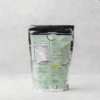
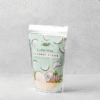
Resealable Aluminium Foil Lined Zip Lock Pouches (Bulk Packaging options available)

Available sizes Available sizes

250g, 500g, 1kg

Shelf Life Shelf Life

12 months (unopened)

Storage Conditions Storage Conditions

Store in a cool and dry place away from direct sunlight and moisure until opened. Once opened keep in an airtight container.

Recommended daily dose Recommended daily dose

1/4 cup or (30g)

How to consume How to consume

Can be used as an alternative for healthier baking to make pancakes, cookies, bread, muffins or crepes. However, when substituting coconut flour for wheat flour, it’s essential to understand that coconut flour has unique properties that can impact the texture and structure of your baked goods. When using coconut flour in recipes, its important to increase the amount of liquid to compensate for its absorbent nature. Typically, the best ratio to keep in mind: for every cup of coconut flour, you will need about 1 – 1.5 cups of liquid (water, coconut milk or any dairy alternative). Coconut flours lack of gluten also makes it necessary to use eggs or other binding agents to hold the batter together. A useful rule of thumb is to use atleast one egg for every 1/4 cup of coconut flour.